
'It's just a sprain' - Why not to underestimate lateral ankle sprains
Lateral Ankle Sprains: Common, Misunderstood, and often Undertreated
18 November 2025
Understanding Lateral Ankle Sprains: Why Proper Rehab Matters
Ankle sprains are one of the most common injuries seen in both sport and everyday life. In around 95% of cases, the lateral ankle ligaments are the ones affected (Swain et al., 2009). Unfortunately, this seemingly minor injury is often managed poorly.
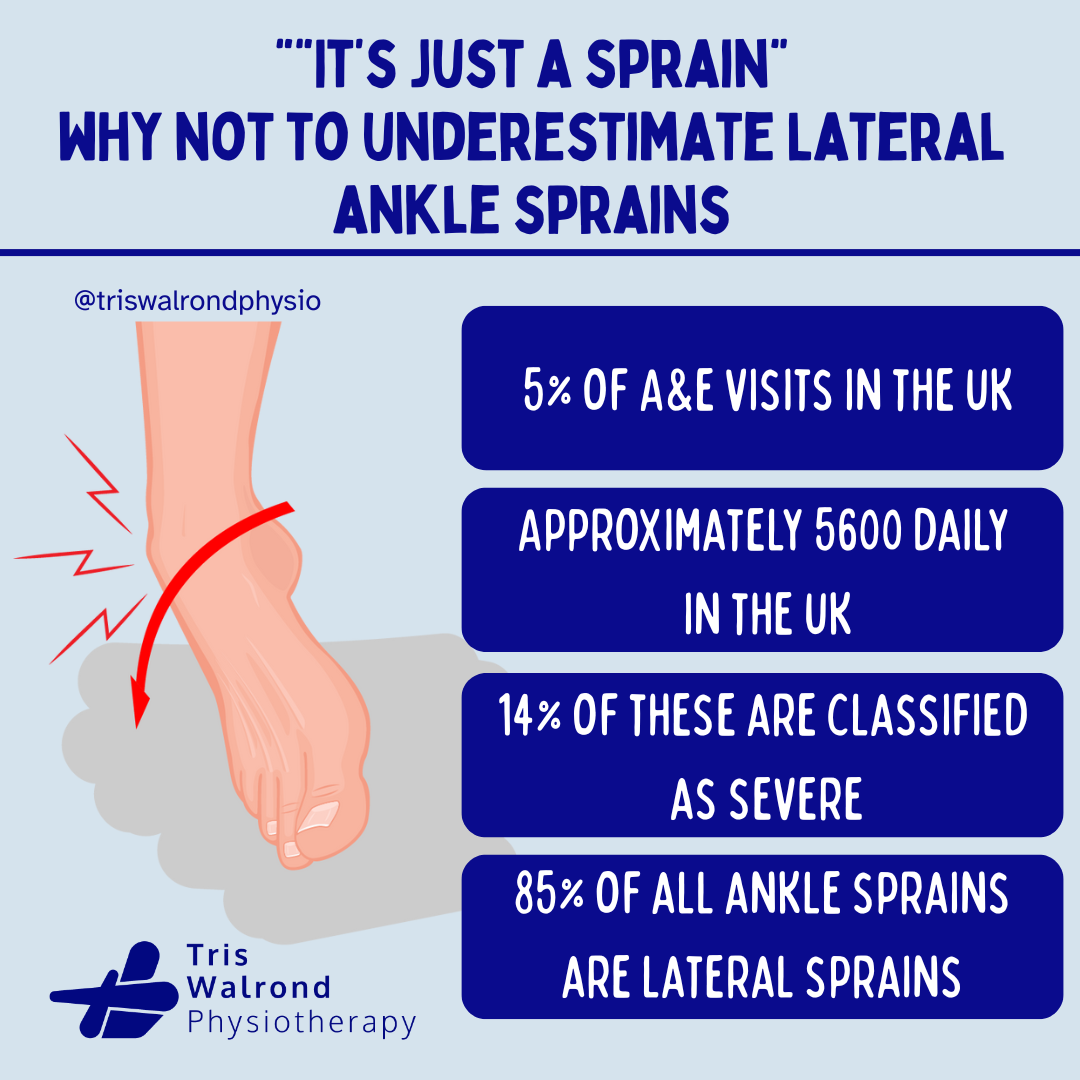
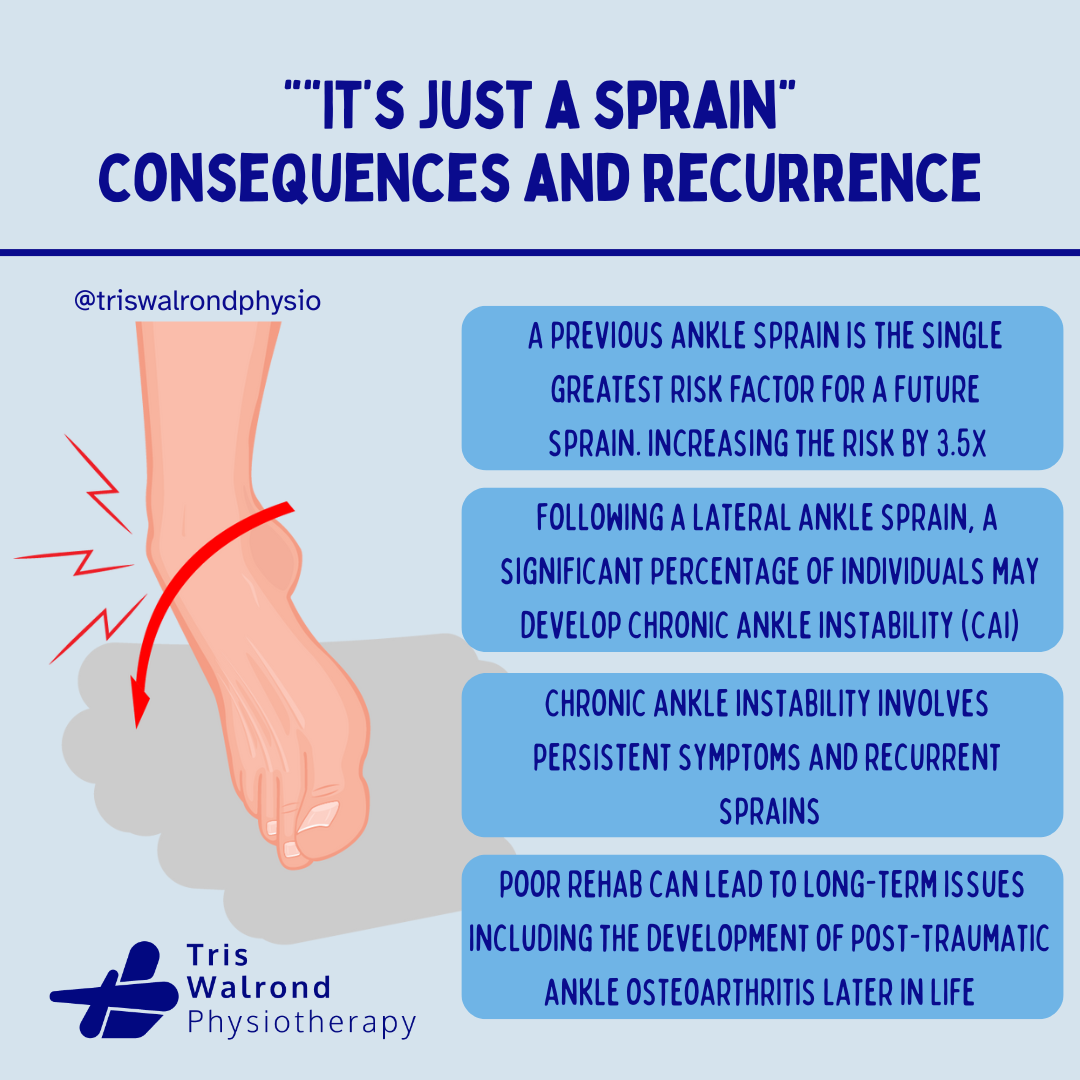
Research shows that less than half of people who sprain their ankle actually seek medical treatment, and as a result, up to one in three go on to experience chronic ankle instability within a year (Smith et al., 2021). Surprisingly, around 70% of individuals return to sport within just three days, often before the ligaments and surrounding tissues have properly recovered.
The most common ankle injury is a lateral ankle ligament sprain. This typically happens when the foot rolls inward, an action known as an inversion injury. This movement places stress on the ligaments on the outer side of the ankle, particularly the anterior talofibular ligament (ATFL), calcaneofibular ligament (CFL), and, less commonly, the posterior talofibular ligament (PTFL).
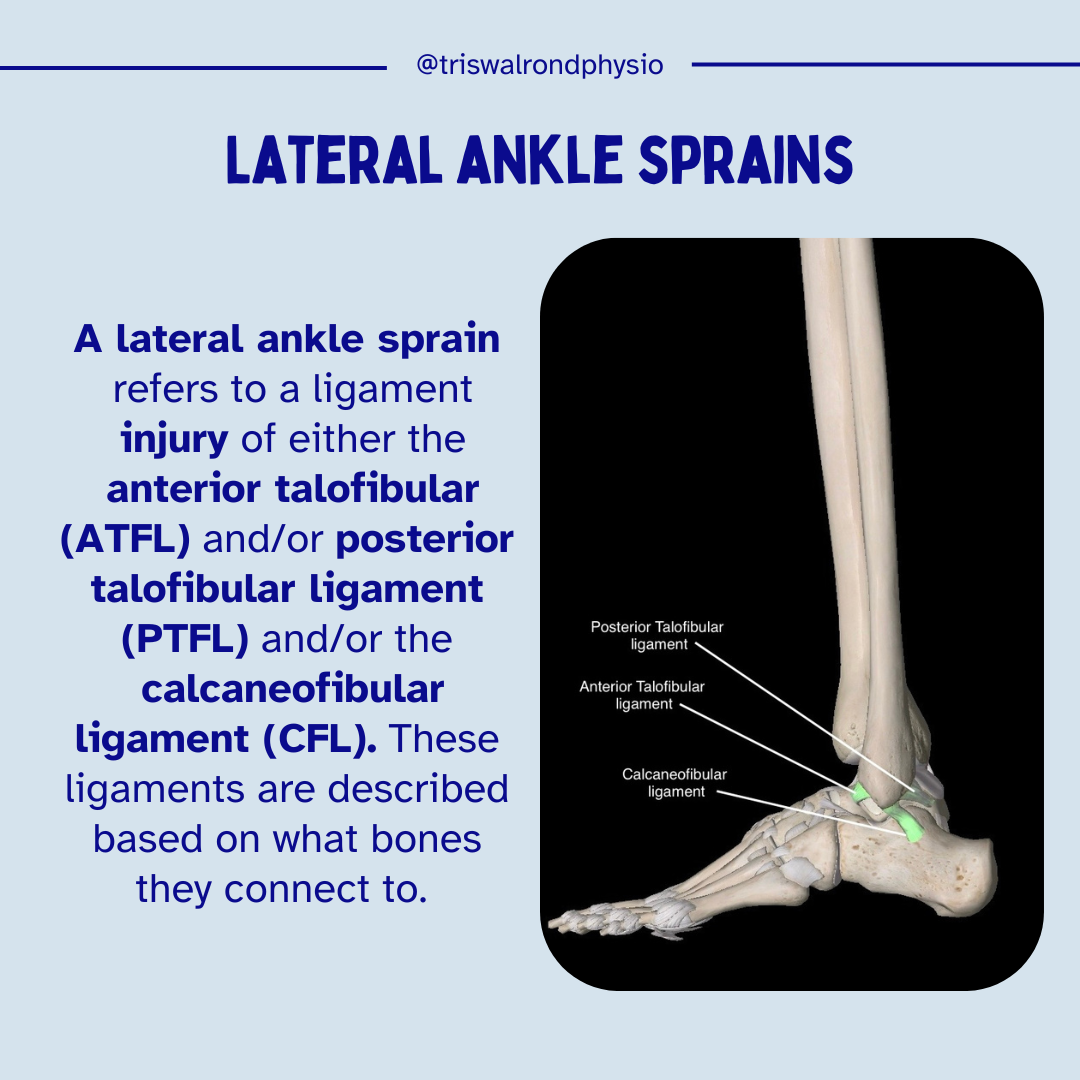
The anterior talofibular ligament (ATFL) is the most commonly injured structure, involved in about 66% of cases, while the calcaneofibular ligament (CFL) is affected in around 20%. The posterior talofibular ligament (PTFL), on the other hand, is rarely damaged (Houck et al., 2012).
Early assessment and a structured rehabilitation plan are essential, not only to promote full recovery but also to prevent long-term instability and recurrent sprains.
The Ankle Joint Anatomy
The ankle complex is made up of two key joints. The first is the talocrural joint, formed by the tibia and fibula sitting over the talus. This joint is responsible for the ankle’s up-and-down movements: dorsiflexion and plantarflexion.
Beneath it sits the subtalar joint, where the talus meets the calcaneus. This joint allows the side-to-side motions of inversion and eversion.
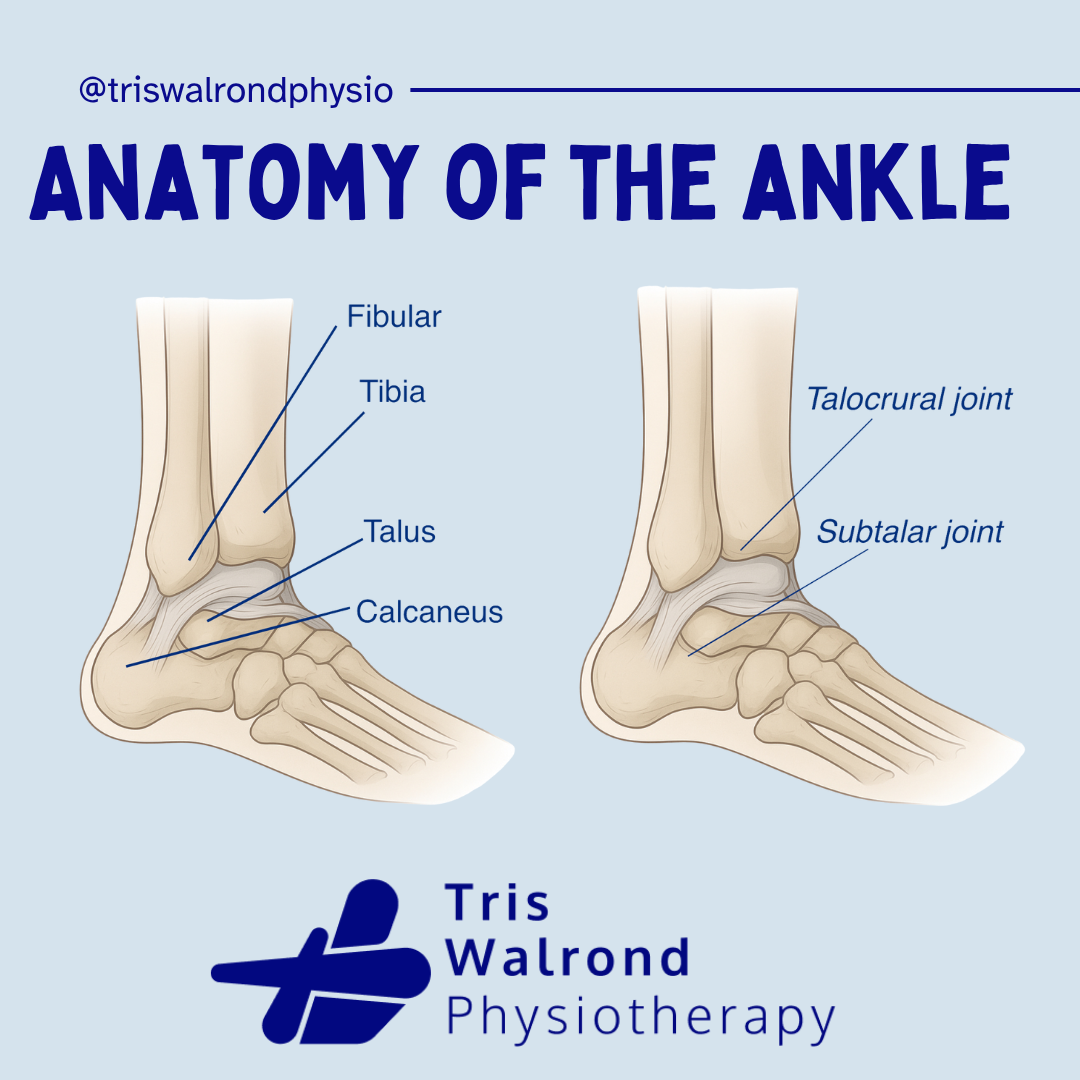
Stability throughout the ankle complex is provided largely by the surrounding ligaments, which play a crucial role as the joint becomes inherently less stable in positions of increased plantarflexion and inversion.
Understanding Ankle Sprain Severity
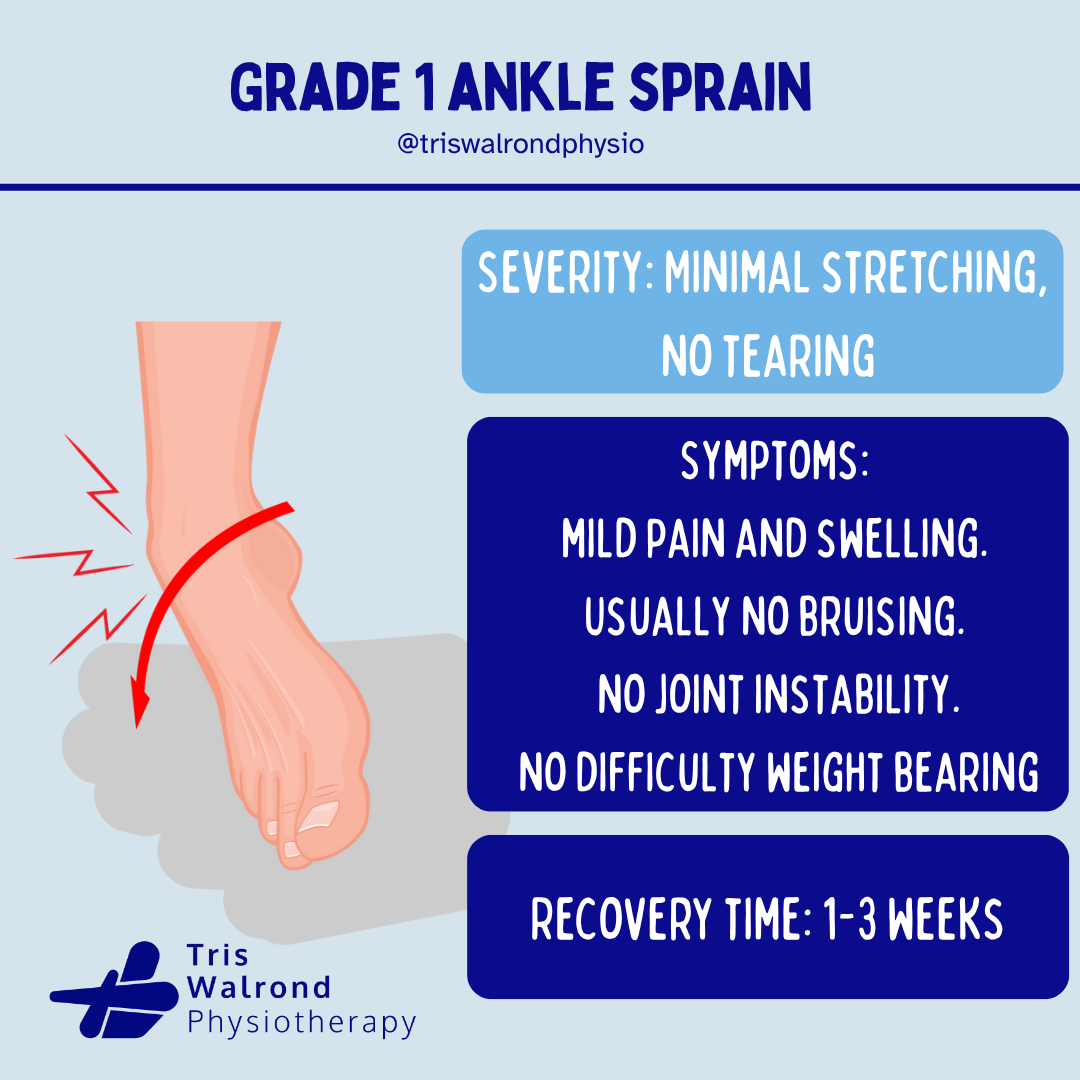
Ankle sprains are commonly graded based on the amount of ligament damage and the level of functional loss. Grade I sprains involve mild stretching of the ligaments with minimal swelling and no instability, usually allowing quick recovery.
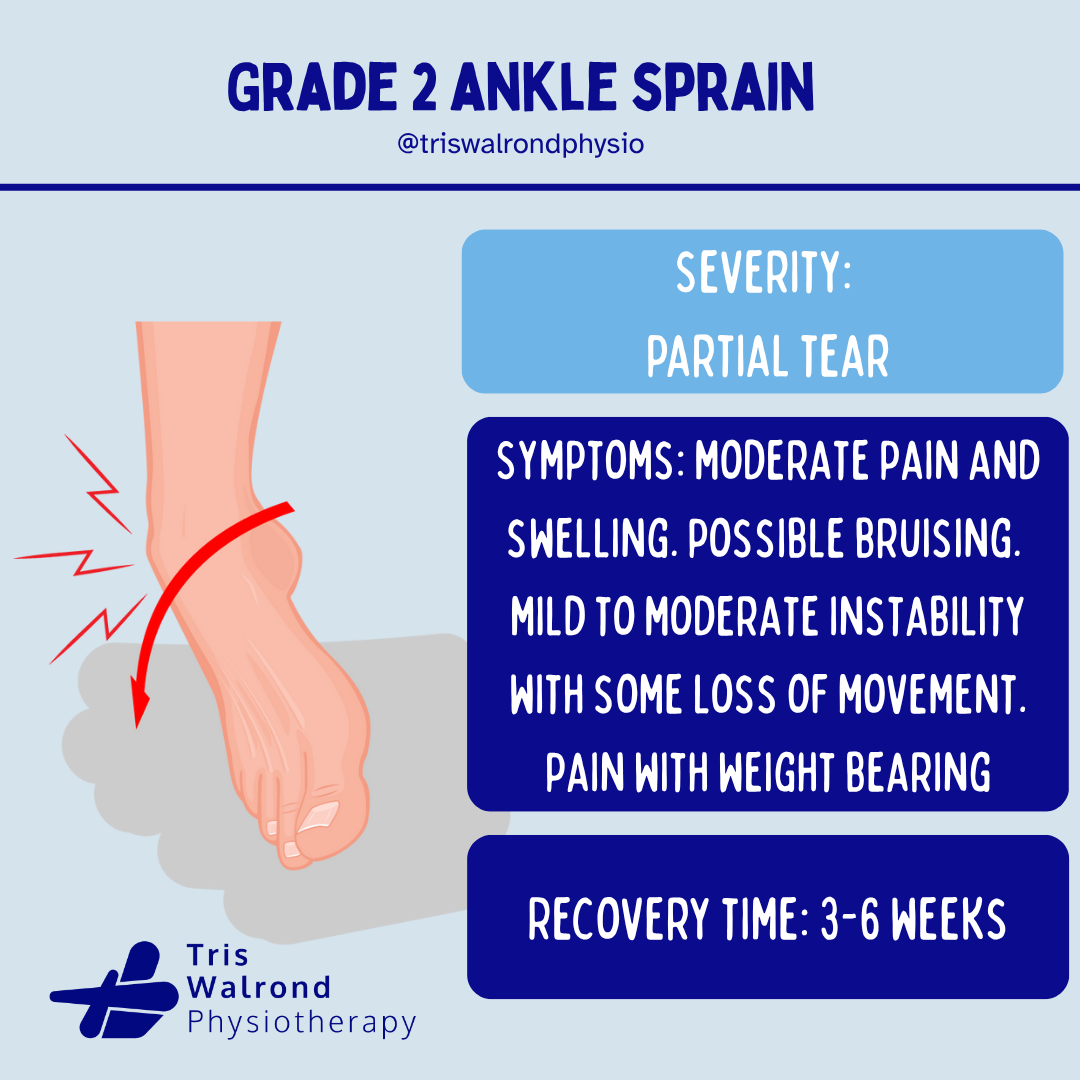
Grade II sprains include a partial ligament tear, leading to more noticeable swelling, bruising, and difficulty weight-bearing.
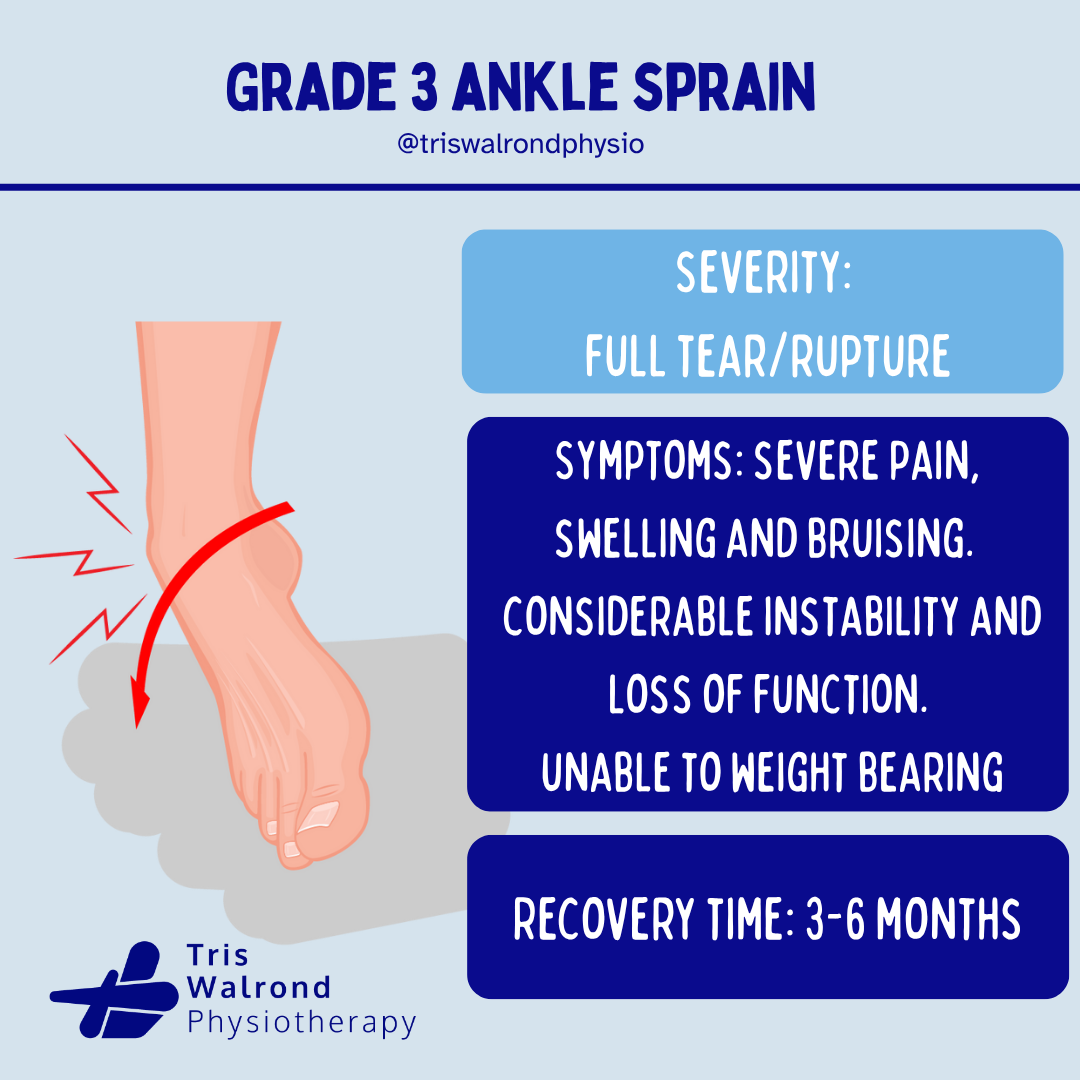
Grade III sprains are full ligament ruptures, often causing significant swelling, tenderness, and mechanical instability, and they typically require a longer, more structured rehabilitation plan. Understanding the grade helps guide appropriate treatment and recovery expectations.
Ottawa Ankle Rules
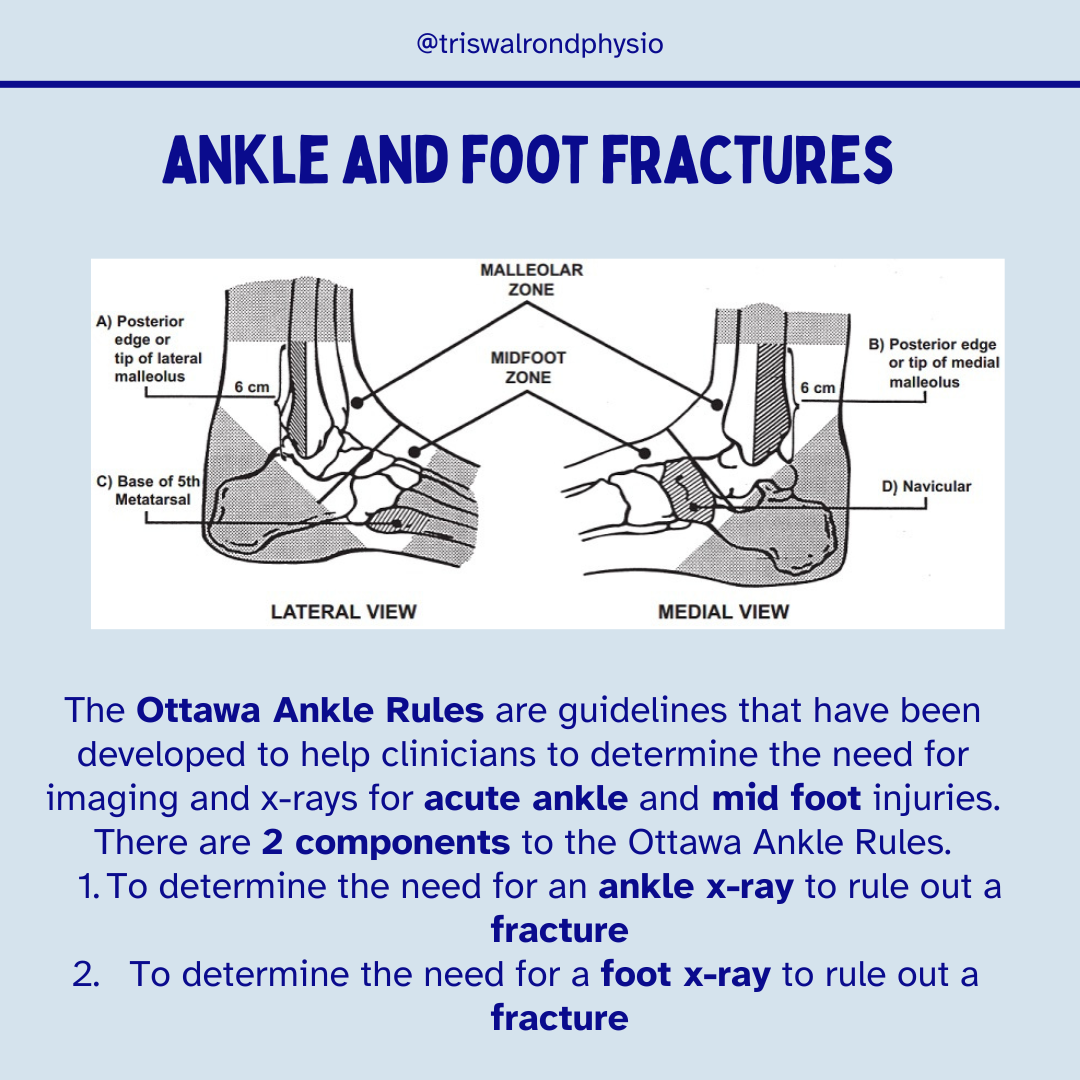
The Ottawa Ankle Rules are guidelines that help decide whether someone with a recent ankle or foot injury needs an X-ray. You may need an X-ray if you have pain around the ankle or foot and there is soreness when pressing on specific bones, or if you can’t put weight on the foot enough to take four steps. These rules help make sure fractures aren’t missed while avoiding unnecessary X-rays when the injury is likely just a sprain.
Acute Phase (First 48–72 Hours)
Goal: Reduce pain and swelling while protecting the injured ligaments.
During the first few days after a lateral ankle sprain, it’s important to focus on managing inflammation and preventing further damage.
Use ice: Applying ice packs for 10–15 minutes every couple of hours can help reduce pain and swelling.
Avoid NSAIDs: Medications like ibuprofen may delay the natural healing process and are best avoided in the early stages (Wheatley et al., 2019).
Keep moving gently: Gentle, pain-free active range of motion exercises, such as slowly pointing and flexing your ankle. This can help maintain mobility and encourage circulation without stressing the injured ligaments.
The key during this phase is controlled movement, not complete rest. Staying gently active supports faster recovery and prepares your ankle for the next stage of rehabilitation.
Early stage of rehab
During the next phase of lateral ankle sprain rehabilitation, the focus shifts toward restoring dynamic stability. Strengthening the surrounding muscles and tendons helps the ankle rely less on its passive, intrinsic structures and more on active control during movement.
Equally important, yet often overlooked is fully regaining ankle range of motion. Make sure to address both plantarflexion (the downward movement of your ankle) and dorsiflexion (the upward movement of your ankle ), as restoring motion in all directions lays the foundation for proper gait, improved balance, and a safer progression to higher-level exercises and return to sport.
Return-to-Sport Criteria
Full, pain-free range of motion, along with restored strength, endurance, and power
No pain or swelling during or after activity
Complete static and dynamic balance, demonstrating control in all planes
Athlete confidence and psychological readiness to return
Ability to land, hop, and jump on both double- and single-leg tasks with good mechanics
Ability to perform sport-specific movements such as running, cutting, accelerating, and decelerating without symptoms
Need Help?
Although ankle sprains are common, they’re not something to ignore. With the right exercises and a structured rehab plan, you can heal well and get back to the things you love without ongoing pain or instability. If your ankle doesn’t feel quite right, or you’re unsure where to start, a physiotherapist can help guide your recovery.
Book a consultation today and start your journey back to full movement, confidence, and activity.
Reduce Pain. Increase Strength. Improve Function.
References
Delahunt E, Bleakley CM, Bossard DS, Caulfield BM, Docherty CL, Doherty C, Fourchet F, Fong DT, Hertel J, Hiller CE, Kaminski TW, McKeon PO, Refshauge KM, Remus A, Verhagen E, Vicenzino BT, Wikstrom EA, Gribble PA. Clinical assessment of acute lateral ankle sprain injuries (ROAST): 2019 consensus statement and recommendations of the International Ankle Consortium. Br J Sports Med. 2018.
Herzog, M. M., Kerr, Z. Y., Marshall, S. W., & Wikstrom, E. A. (2019). Epidemiology of Ankle Sprains and Chronic Ankle Instability. Journal of athletic training.
Houck J, Neville C, Chimenti R. The Foot and Ankle: Physical Therapy Patient Management Utilizing Current Evidence. Current Concepts of Orthopedic Physical Therapy 2012..
Smith, M., Vicenzino, B., Bahr, R., Bandholm, T., Cooke, R., Mendonça, L., Fourchet, F., Glasgow, P., Gribble, P., Herrington, L., Hiller, C., Lee, S., Macaluso, A., Meeusen, R., Owoeye, O., Reid, D., Tassignon, B., Terada, M., Thorborg, K., Verhagen, E., Verschueren, J., Wang, D., Whiteley, R., Wikstrom, E. and Delahunt, E., 2021. Return to sport decisions after an acute lateral ankle sprain injury: introducing the PAASS framework—an international multidisciplinary consensus. British Journal of Sports Medicine
Swain J, Bush K. Diagnostic Imaging for Physical Therapists. St. Louis: Saunders Elsevier; 2009
Wheatley BM, Nappo KE, Christensen DL, Holman AM, Brooks DI, Potter BK. Effect of NSAIDs on Bone Healing Rates: A Meta-analysis. J Am Acad Orthop Surg. 2019.