Patello-Femoral Joint Pain (PFJP)
Managing anterior knee pain: What you need to know.
19 August 2025
Understanding the Patellofemoral Joint
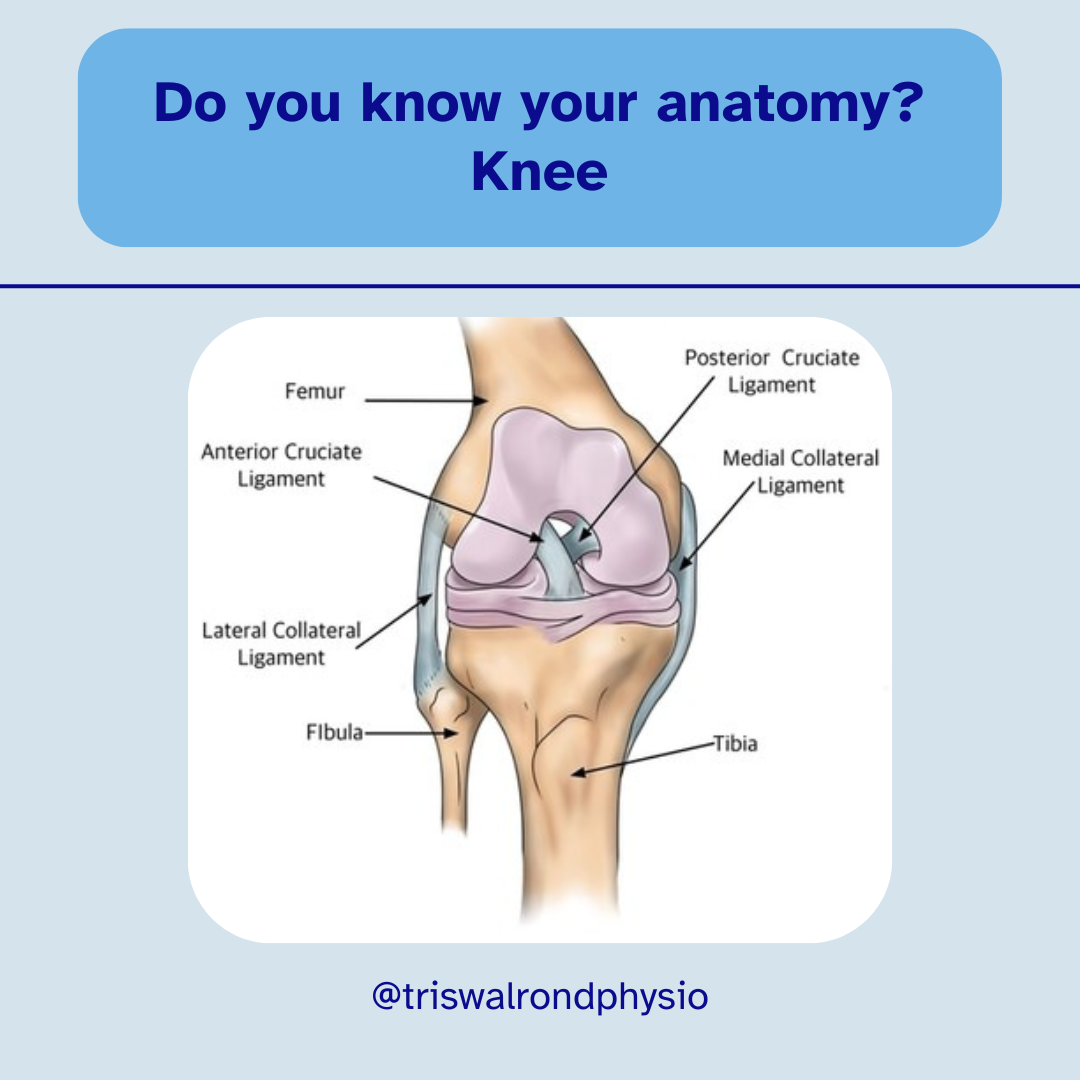
The patellofemoral joint is the articulation between the patella (kneecap) and the femur (thigh bone). This joint plays a crucial role in knee function, particularly in activities that involve bending and straightening the knee such as walking, squatting, and climbing stairs.
The patella sits within a shallow groove on the front of the femur, known as the trochlear groove. As the knee moves, the patella glides smoothly within this groove, guided and stabilized by surrounding muscles and soft tissues.
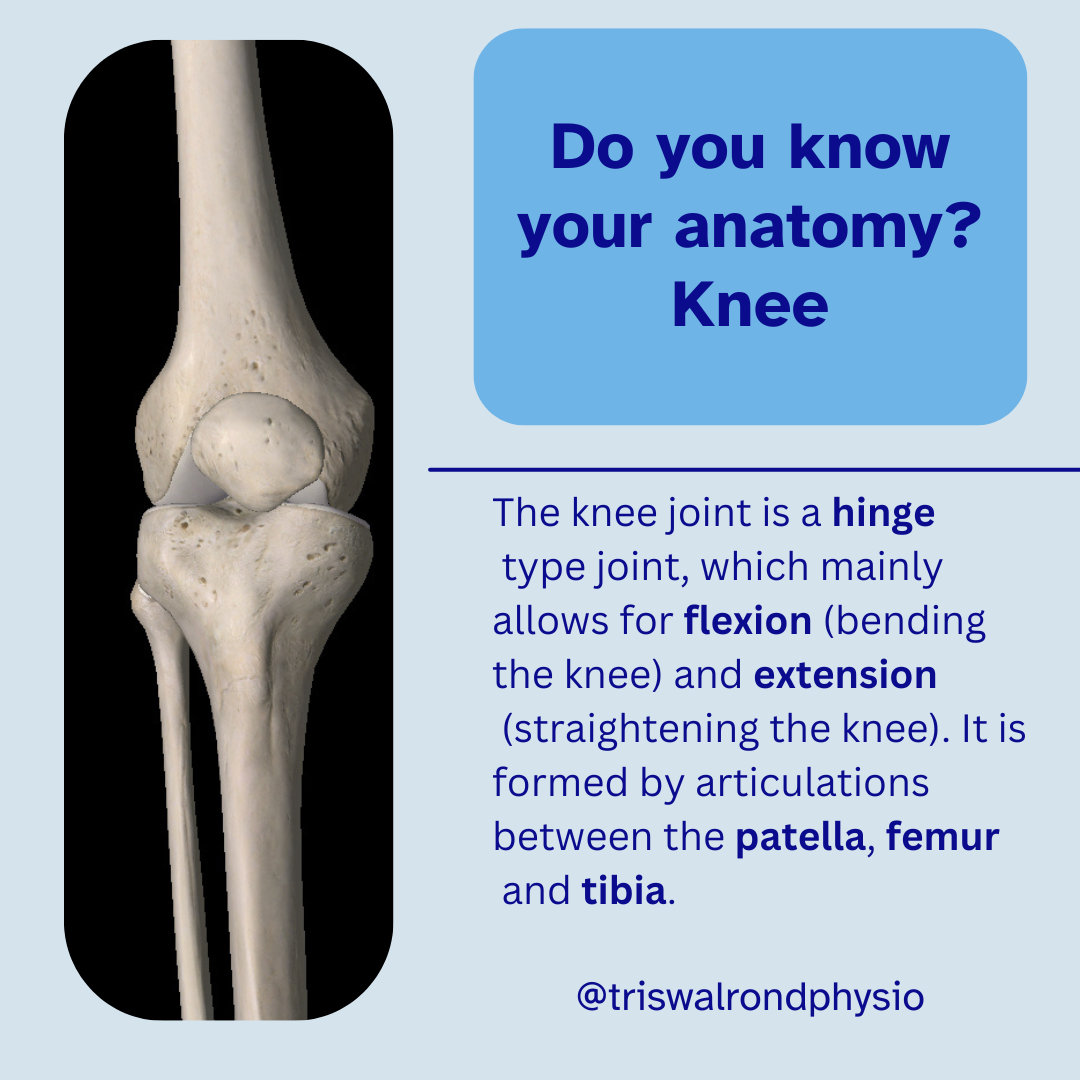
Key muscles, including the quadriceps group, attach to the patella and are essential for both movement and joint stability. These muscles help maintain the alignment of the patella within the trochlear groove, allowing for controlled, pain-free motion.
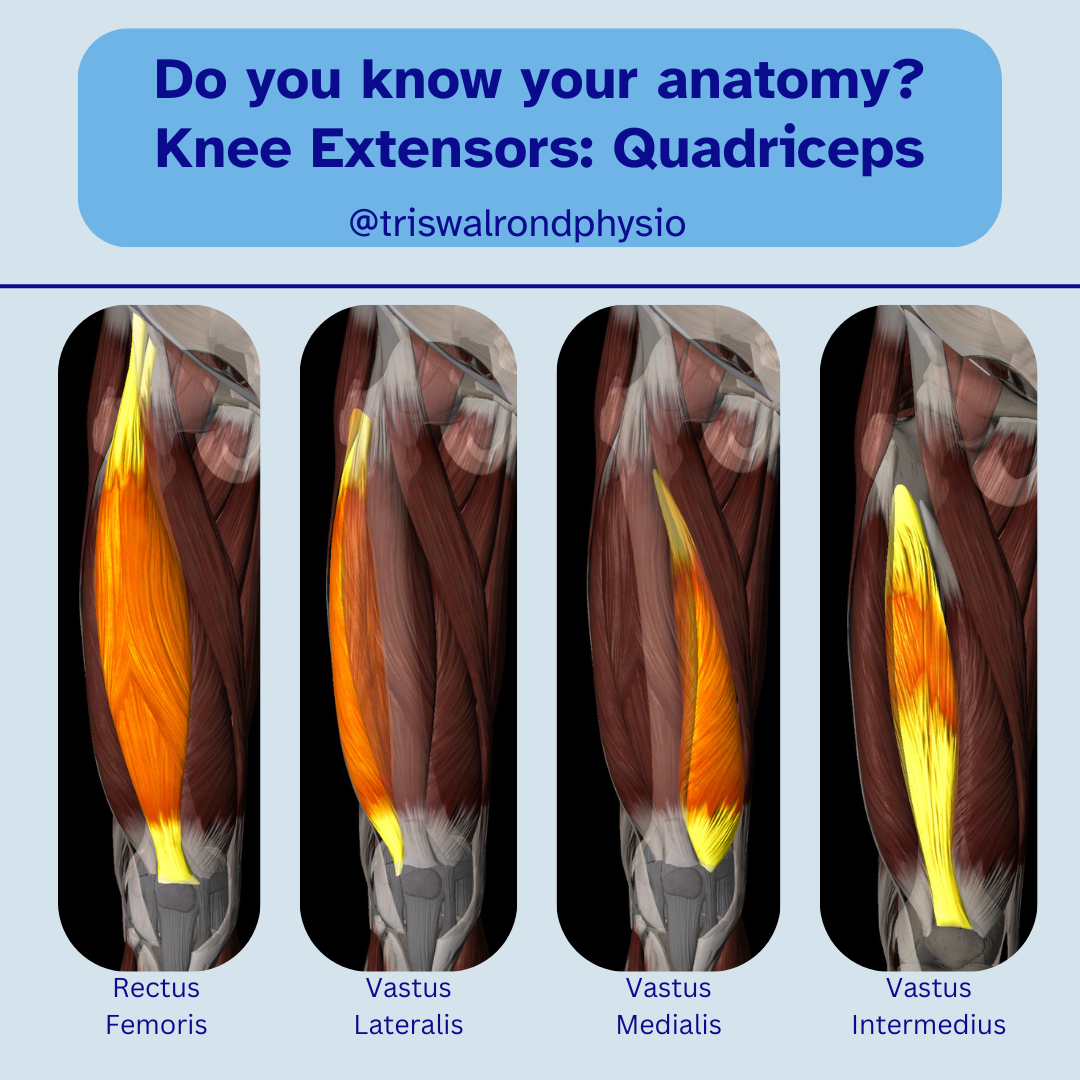
Proper function of the patellofemoral joint is essential for daily movement, and dysfunction can lead to pain or conditions such as patellofemoral pain syndrome. Understanding this joint is an important step in both preventing and managing knee-related issues.
What is Patellofemoral Joint Pain (PFJP)?
Patellofemoral Joint Pain (PFJP) is a common condition that causes pain at the front of the knee, particularly around or behind the kneecap (patella). It often affects people who are active, but it can also occur in those with more sedentary lifestyles, especially when certain muscles aren't functioning optimally.
PFJP is known by a variety of names, including:
Anterior Knee Pain
Patella Mal-tracking
Chondromalacia Patellae
Runner’s Knee
Patellofemoral Pain Syndrome
Although the exact cause of PFJP isn't always clear, it's generally related to altered mechanics or excessive loading of the joint. Several key factors can contribute to the development or persistence of this condition:
Strength
The quadriceps—the large muscles at the front of your thigh—play a key role in stabilising the kneecap. When there's pain around the patella, these muscles can become less active, leading to weakness. This, in turn, can affect how the kneecap moves and how well you perform daily tasks or sports.
Further up the chain, the gluteal muscles (your bottom muscles) help control the movement of the thigh bone (femur). Weakness here can affect single-leg movements such as going up and down stairs, walking, or running, all of which can put additional stress on the knee and increase discomfort. Importantly, this irritation typically doesn't mean the joint is being damaged—just that it's reacting to overload or poor control.
Overload
Your body—and your knees—adapt to a certain level of activity. When you suddenly increase or vary that load (e.g. running longer distances, trying a new workout, or returning to sport too quickly), it can exceed your knee’s current capacity, leading to pain.
While load is necessary for building strength, doing too much too soon, or not allowing enough recovery time, can irritate the structures around the patellofemoral joint. The key is finding the right balance between activity and rest.
Biomechanics
You might have heard your physiotherapist mention “altered biomechanics” or noticed that your knee moves inward (valgus) during certain activities like squatting. This inward movement can increase pressure on the patellofemoral joint, especially if muscle control around the hip, knee, and ankle is lacking.
Although this movement isn’t inherently “bad,” poor control during tasks like squatting, jumping, or going downstairs can contribute to PFJP. Improving strength and coordination above (glutes), at (quads), and below (calf and foot muscles) the knee can help restore healthy movement patterns and reduce symptoms.
What can Physiotherapy do for me?
Physiotherapy is the best and most effective method to help manage your pain and help you return to your normal function. Your physiotherapist will help you identify any issues through their initial assessment and will help you with a specific individualised exercise program.
For issues such as patellofemoral joint pain (pain at the front of the knee), your rehab plan may focus on:
Reducing pain
Strengthening weak muscles both above and below the knee
Correcting movement patterns to reduce strain on the joint
Improving movement control and stability
Stretching tight muscles or structures that may be contributing to the problem
By addressing the underlying factors contributing to your pain, physiotherapy helps you reduce pain, improve strength and improve function!
Managing Patellofemoral Joint Pain (PFJP): Why Rest Isn’t Always Best
If you've ever experienced an injury, chances are someone has told you to follow the R.I.C.E. method — Rest, Ice, Compression, and Elevation. While this was once the gold standard, current research has shown that rest alone may actually slow down your recovery.
Instead, we now recommend a more modern approach called P.O.L.I.C.E.:
P.O.L.I.C.E.
Let’s break that down:
Protection – Avoid activities that aggravate your symptoms or could cause further harm.
Optimal Load – This is the key change from the old R.I.C.E. model. Instead of complete rest, controlled and gradual movement is encouraged. The right amount of movement and activity promotes faster healing and strengthens the tissues.
Ice – Can help reduce pain and inflammation, especially in the early stages.
Compression – Using a bandage or knee sleeve can help control swelling and provide support.
Elevation – Elevating the knee can reduce swelling and aid circulation.
Understanding Optimal Load
“Optimal load” will look different for everyone — it’s the sweet spot between too much activity (which can worsen symptoms) and too little (which can delay healing). Your physiotherapist can help you identify the right level of activity and progression based on your condition and goals.
What About Flare-Ups?
If you're dealing with Patellofemoral Joint Pain (PFJP), it's common to experience occasional flare-ups — a temporary increase in pain or discomfort. This can feel frustrating, but it’s also a normal part of the recovery journey.
Here’s how to manage flare-ups effectively:
Return to the P.O.L.I.C.E. principles, especially focusing on adjusting your load.
Reduce aggravating activities such as squatting, stairs, or high-impact movements.
Modify your exercise program by decreasing intensity or volume.
Gradually return to activity as symptoms settle — avoid rushing.
Staying active within your limits is vital. Your physiotherapist will guide you in adjusting your rehab program to ensure your recovery continues to progress — even during setbacks.
How Long Will Recovery Take?
One of the most common questions we hear is: “How long will it take to get better?”
The honest answer is — it depends. Every person’s recovery is different, and there’s no one-size-fits-all timeline. Patellofemoral joint pain (PFJP), like many musculoskeletal conditions, often develops over time and can take weeks to months to fully resolve, depending on factors such as:
The severity and duration of your symptoms
Your activity level and goals
How consistently you follow your rehab program
Underlying strength, flexibility, or movement issues
No Quick Fixes — But There Is a Clear Path Forward
While there’s no instant solution, the good news is that active participation in your rehab — including doing your exercises, modifying your activities appropriately, and working closely with your physiotherapist — can significantly speed up recovery and reduce the chances of the pain returning.
Your physiotherapist will guide you at each stage and help you stay on track, adjusting your plan as your body heals and adapts.
Recovery takes patience, consistency, and a bit of hard work — but with the right support, you'll be back to doing what you love. Struggling with Patello-femoral joint pain? Book a physiotherapy appointment online to see how we can help you today!